
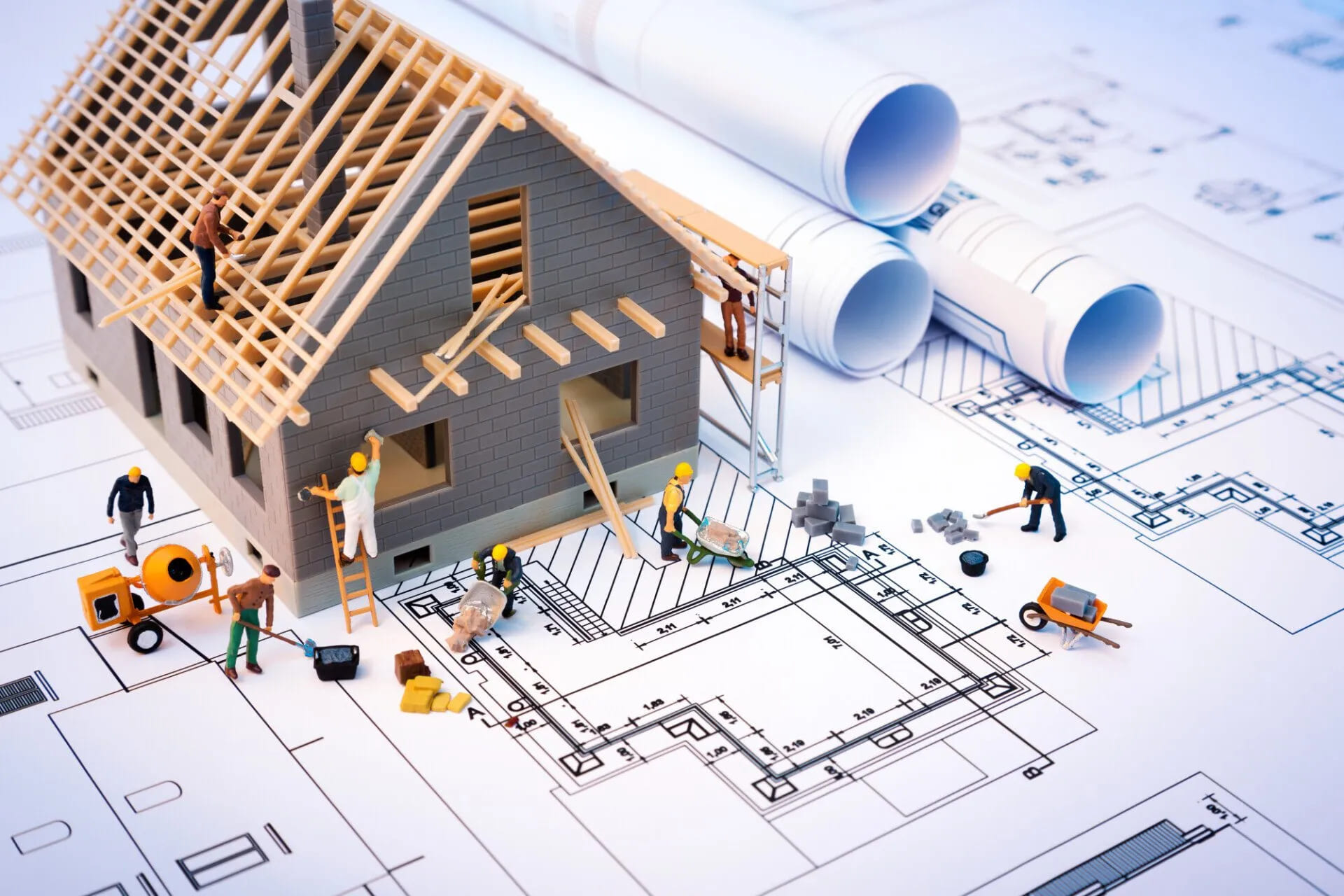
1.Single Point of Responsibility: ICI Projects can take full responsibility for both the design and construction of the project. This streamlines the process by eliminating the need for separate contracts between the client and the designer/architect and between the client and the contractor.
2. Collaborative Approach: We encourage collaboration between designers and builders from the early stages of the project. This allows for greater integration of design and construction expertise, leading to more innovative solutions, cost savings, and efficiencies.
3. Early Cost Estimation: Because the design and construction teams work together from the outset, design-build projects often involve early cost estimation. This allows the client to have a clearer understanding of project costs and helps avoid costly design changes later in the process.
4. Faster Project Delivery: Design-build projects often have shorter project timelines compared to traditional design-bid-build projects. The collaborative nature of design-build allows for faster decision-making and streamlined communication, leading to accelerated project delivery.
5. Value Engineering: Design-build encourages value engineering, where the design-builder seeks to optimize project costs while maintaining project quality and functionality. Value engineering involves analyzing design options, materials, and construction methods to identify opportunities for cost savings without sacrificing quality.
6. Risk Allocation: In a design-build contract, the design-builder assumes greater responsibility for project risks, including design errors, construction delays, and cost overruns. This can provide the client with greater certainty regarding project outcomes and costs.
7. Quality Control: Design-build projects often involve rigorous quality control processes to ensure that the project meets or exceeds the client's expectations. Design-builders typically implement quality assurance measures throughout the design and construction phases to maintain project quality and integrity.
Overall, the design-build approach offers several advantages, including increased collaboration, faster project delivery, cost savings, and reduced risk for the client. By integrating design and construction expertise into a single entity, design-build projects can deliver high-quality results while optimizing efficiency and value for the client.

Oakville

